On air
Countryradio.fm

Each chapter ends with the stations playing that era's music right now, so you can read about Hank Williams and then hear him.

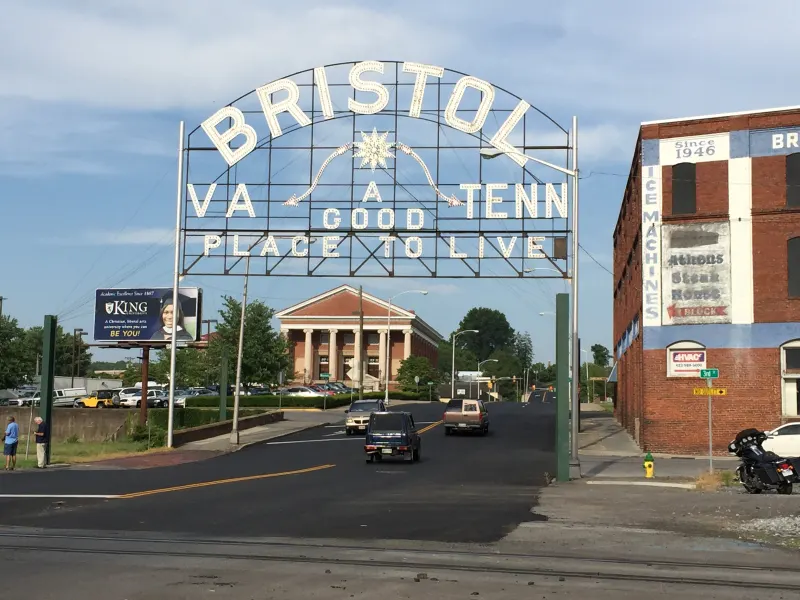
  1. The sign over State Street in Bristol, which straddles the Virginia–Tennessee line
    Photo: Springfulutopia, CC BY-SA 4.0
    Chapter 1 · 1922–1933 Before the dial: the first country records A Texas fiddler in a New York studio, a hit nobody at the label liked, and ten days in Bristol that set the pattern for everything after.
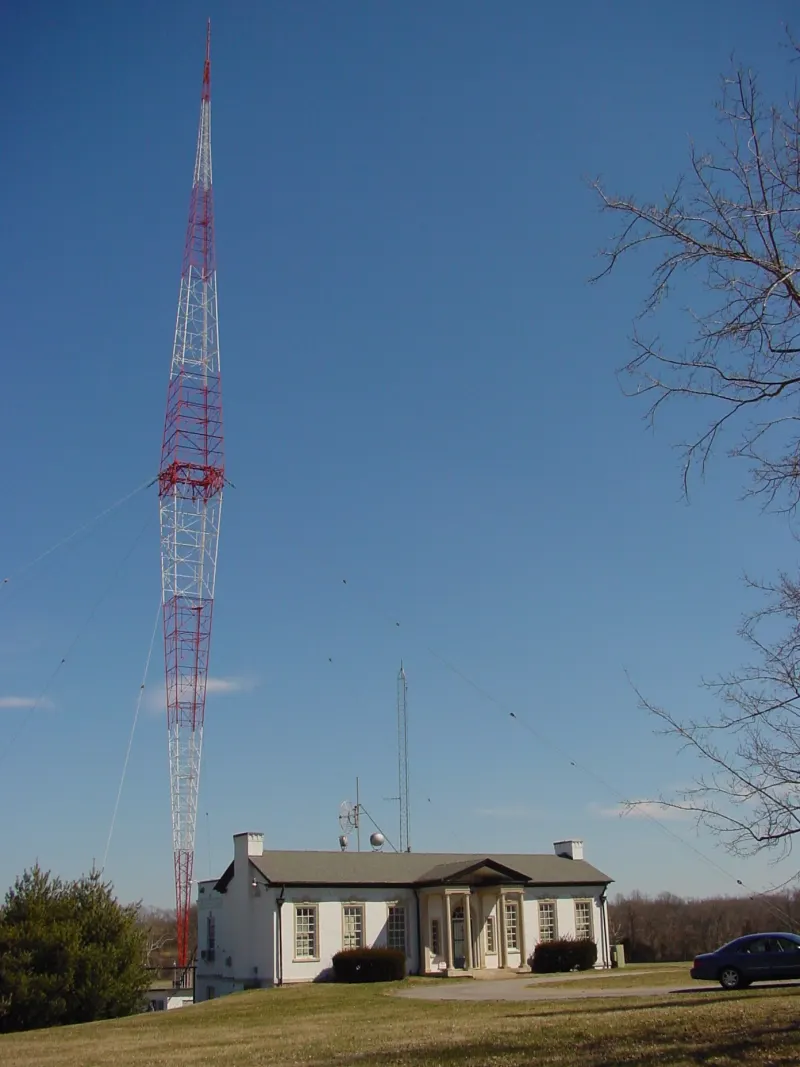
  2. The diamond-shaped WSM transmitter tower south of Nashville
    Photo: Garrett A. Wollman, CC BY-SA 2.5
    Chapter 2 · 1923–1943 The barn dances: WLS, WSM and the Grand Ole Opry How an insurance company's radio station, a showman from Memphis and a Saturday-night fiddle show became the most famous stage in American music.
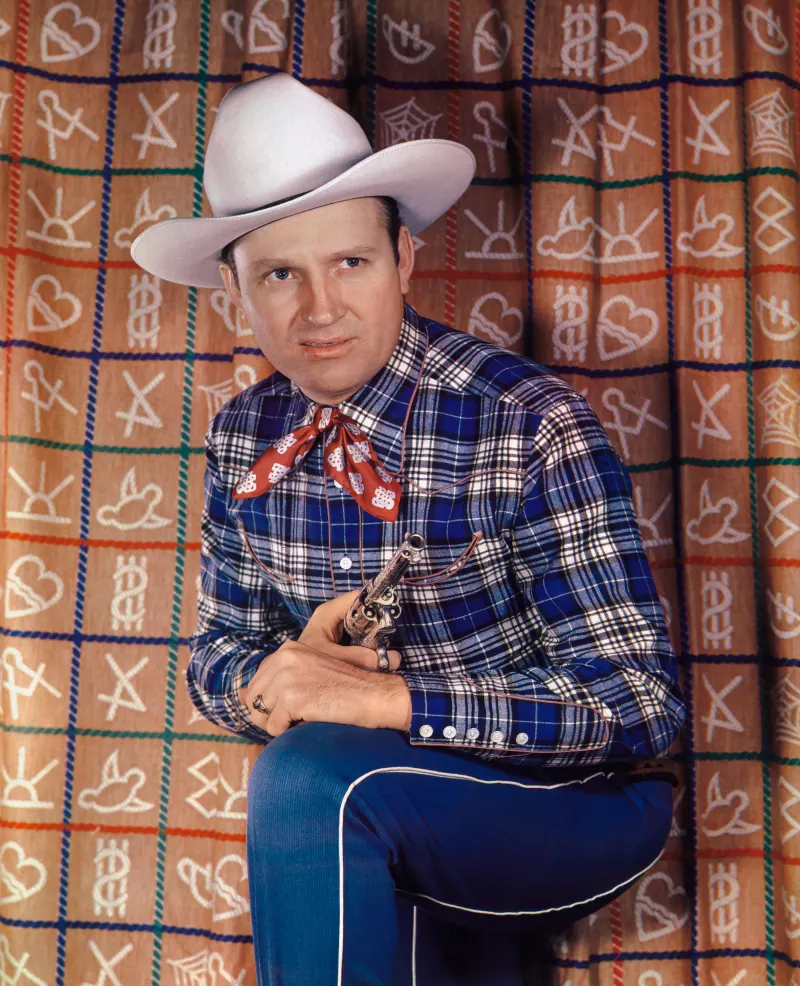
  3. Gene Autry, the singing cowboy, in a colour portrait
    Photo: Harry Warnecke / Robert F. Cranston, Public domain
    Chapter 3 · 1930–1946 Singing cowboys, western swing and the border blasters In the 1930s country music went west — to Hollywood, to the Texas dance halls, and to half-million-watt transmitters just across the Mexican border.
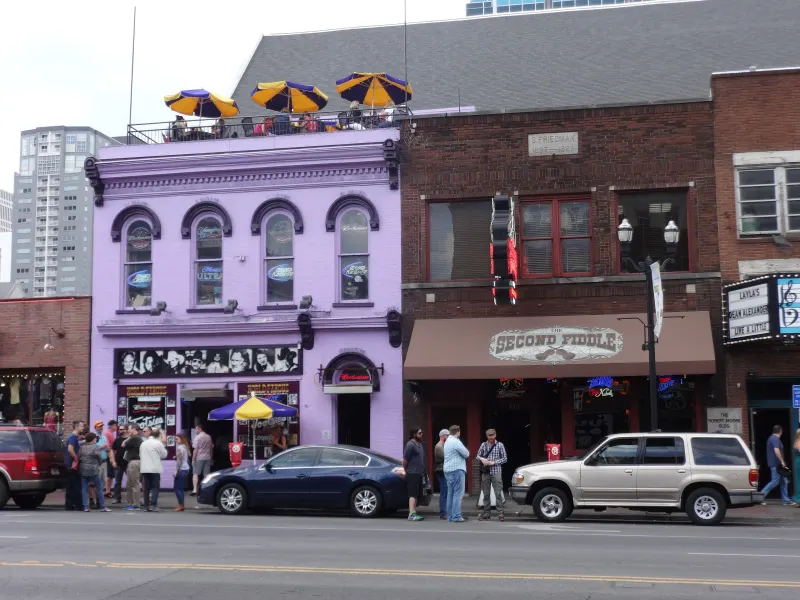
  4. Tootsie's and the Second Fiddle, two honky tonks on Broadway in Nashville
    Photo: Michael Rivera, CC BY-SA 4.0
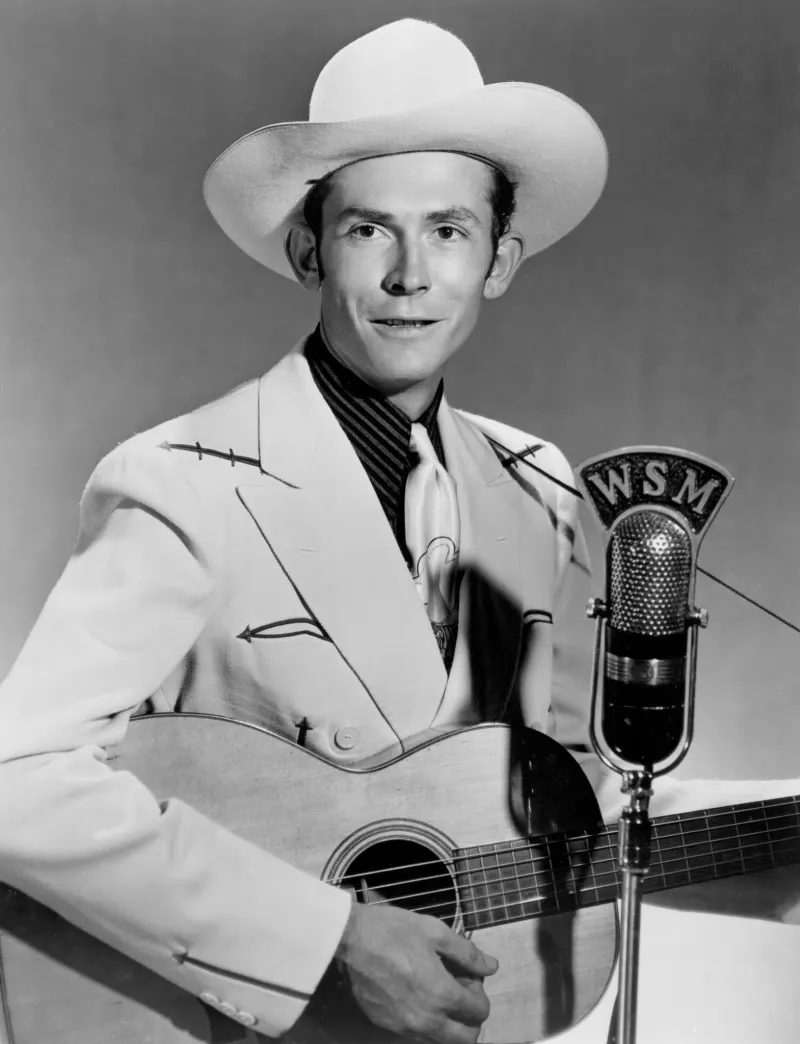
    Chapter 4 · 1933–1955 Honky-tonk: jukeboxes, heartbreak and Hank When Prohibition ended, country music moved into the bar. It got louder, sadder and more honest — and produced the most influential songwriter it has ever had.
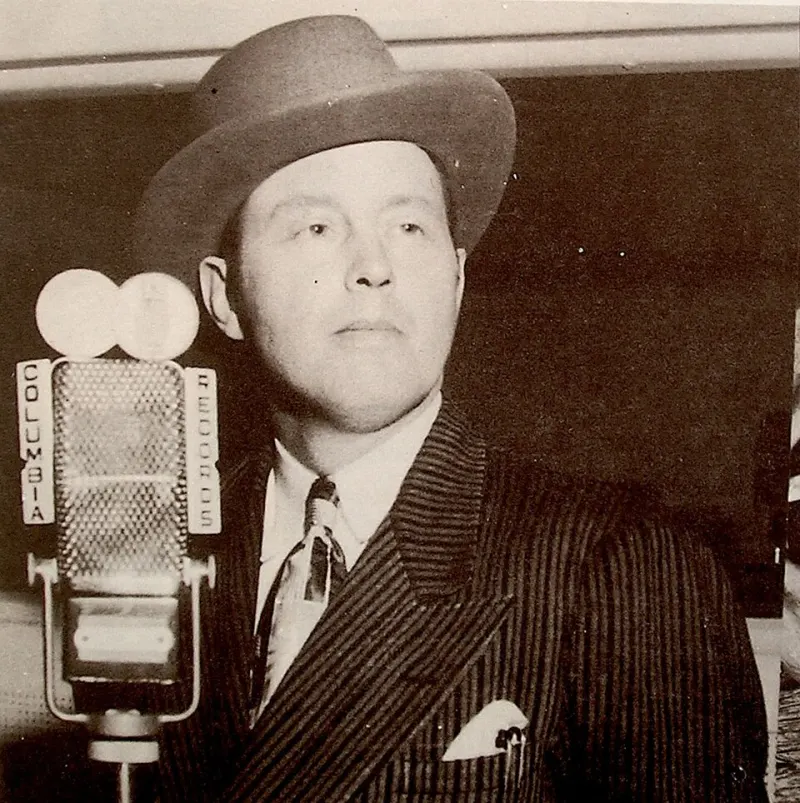
  5. Bill Monroe at a radio microphone in 1952
    Photo: bunky's pickle, CC BY-SA 2.0
    Chapter 5 · 1939–today Bill Monroe and the invention of bluegrass Most music styles grow up slowly. Bluegrass has a founder, a birthplace on the Opry stage, and a band line-up everyone still copies — then it outlived the radio format that ignored it.
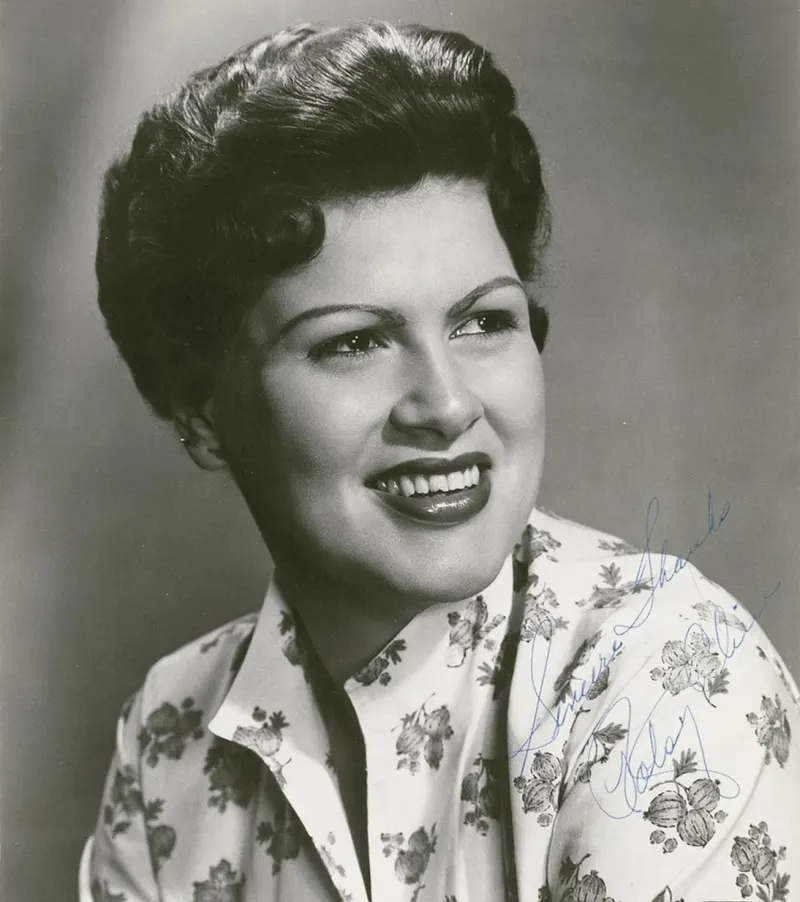
  6. Patsy Cline in a 1960 Decca publicity portrait
    Photo: Decca Records, Public domain
    Chapter 6 · 1954–1972 The Nashville Sound, and Bakersfield's answer Rock and roll nearly killed country music. Nashville fought back with strings and smooth vocals; California fought back with Telecasters. Meanwhile, radio invented the all-country station.
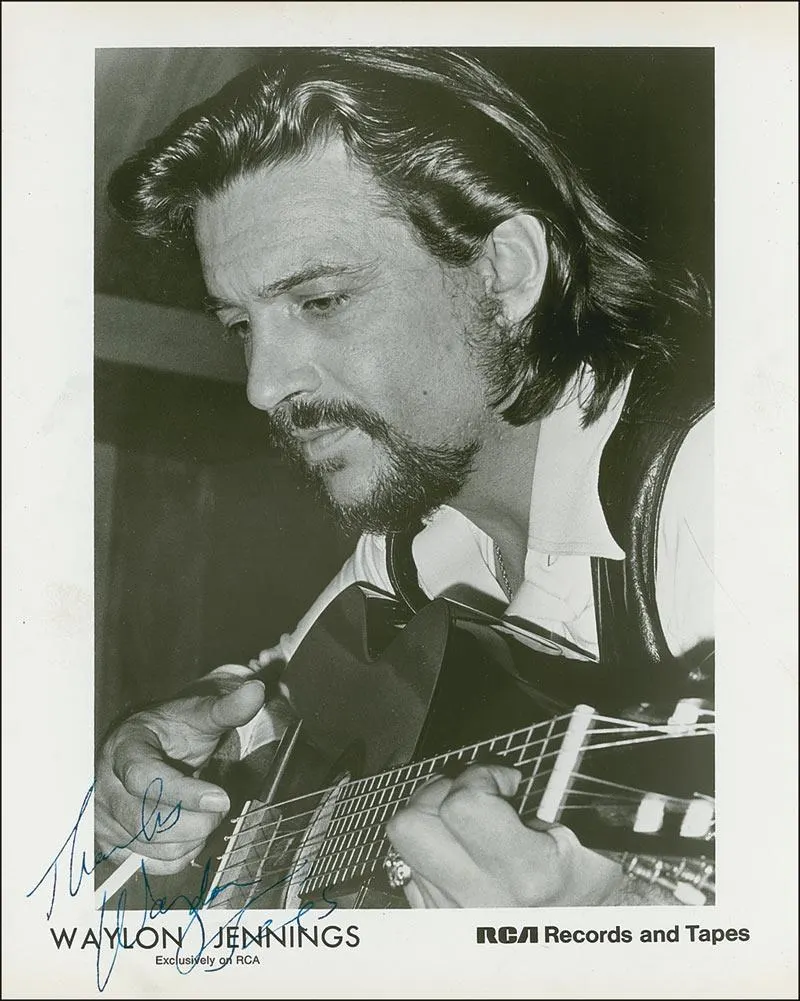
  7. Waylon Jennings with his guitar in an RCA promotional photograph
    Photo: RCA Records, Public domain
    Chapter 7 · 1970–1980 The outlaws Willie went home to Texas, Waylon took his own band into the studio, and a compilation album of old tracks became the first country record to sell a million.
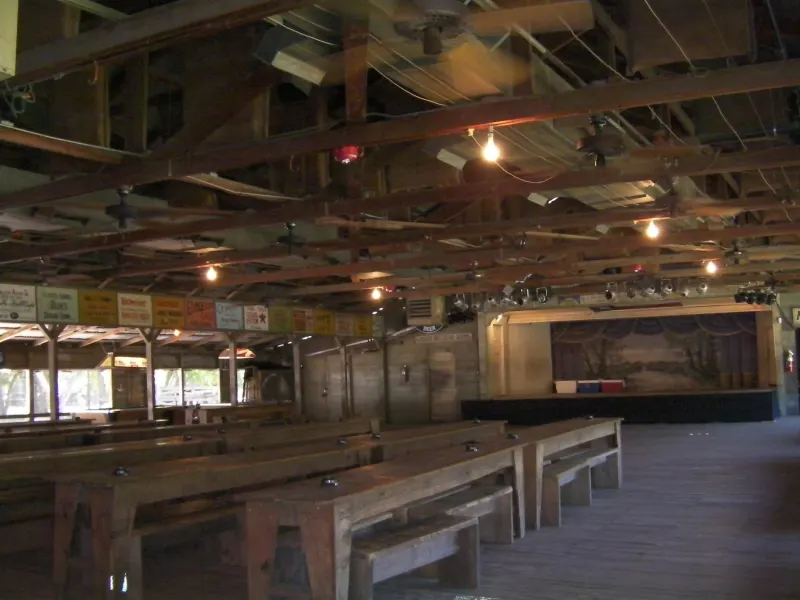
  8. Inside Gruene Hall, the oldest continually operating dance hall in Texas
    Photo: Van.ike, CC BY-SA 3.0
    Chapter 8 · 1980–1999 From Urban Cowboy to the '90s boom A John Travolta film put a mechanical bull in every city, the neotraditionalists took country back, and a new way of counting records revealed the biggest audience the music had ever had.
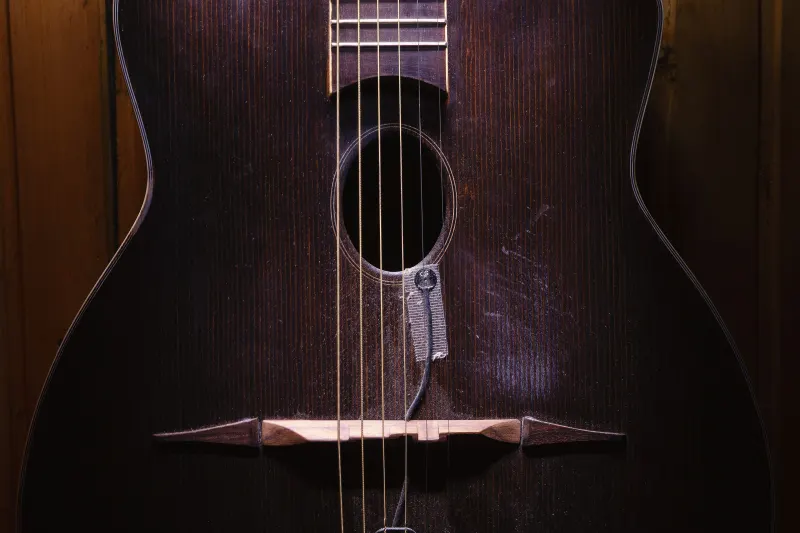
  9. An acoustic guitar in low light
    Photo: Dejan Krsmanovic, CC BY 2.0
    Chapter 9 · 1968–2015 Alt-country, Americana and the road around radio While country radio narrowed, a parallel country music grew up beside it — on punk stages, on college and public radio, and in the Texas and Oklahoma bars that never needed Nashville.
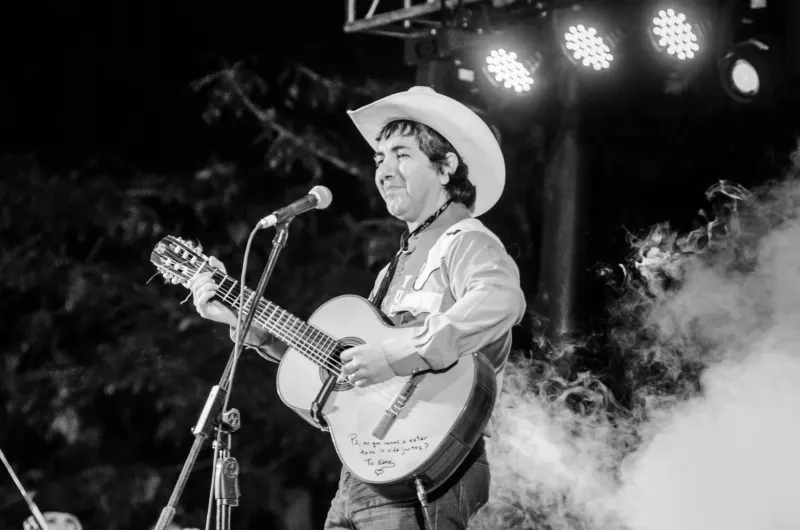
  10. A singer in a cowboy hat performing at a country music festival
    Photo: Vane Ruth79, CC BY-SA 4.0
    Chapter 10 · 2010–now Bro-country, streaming and the fight over the charts Trucks and tailgates, a chart row over a viral hit, a debate about who gets played — and then country became one of the fastest-growing kinds of music in the world.